
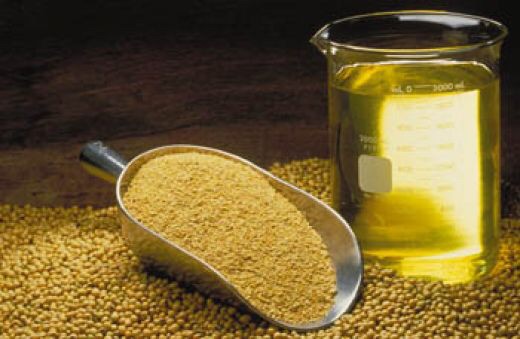
Lecithin, also known as soy lecithin, is a natural emulsifier and stabilizer. It comes from fatty substances found in plant and animal tissues. It is a traditionally used ingredient in various forms, such as egg yolks, which is why eggs are used to create many emulsions.
Lecithin powder, or lecithin liquid, is just a processed version of lecithin. It has been removed from other ingredients, such as eggs or soy, so it is pure and of a set strength. It also allows you to use it without adding the flavor of eggs to your dishes. Most powdered lecithin is created as a by product of making soy oils.
Lecithin is commonly used to bind emulsions and to stabilize other mixtures. It is also used to enhance the elasticity of dough and to increase the tolerance to moisture. It can also be used to stabilize airs and other dry foams.
Lecithin disperses in any temperature liquid, which makes it an easy ingredient to work with.
Where to Buy Soy Lecithin
There are several places to purchase soy lecithin. We highly recommend Modernist Pantry, they have great service and are really good to work with.
How Much Lecithin to Use
The amount of lecithin you need to use depends a lot on the technique you are using it for. For airs and froths it is typically used at a 0.25% to 1.0% ration by weight.
For the stabilization of emulsions, lecithin is added at a weight ratio of 0.3% to 1.0%, depending on how stabilized you want the emulsion to be. To help strengthen the emulsion, xanthan gum can also be added at a 0.1% to 0.4% ratio, which has the often desired effect of slightly thickening it.
Airs and Foams with Lecithin
Airs and light foams are easy to create with lecithin. First, you make a flavorful liquid. Next, blend the lecithin into the liquid using an immersion blender. Most liquids can be kept at this stage for several hours.
The next step to creating a lecithin foam is to introduce air into the liquid. This is often does by some kind of agitation. Typically a whisk or immersion blender is used, but any type of agitator can be used including aquarium pumps, standing blenders, mixers with a whisk attachment and whipping siphons.
When you are foaming the liquid remember that the goal is not to mix or blend the liquid but to incorporate air into it. Because of this, using an immersion blender in a wide container where a quarter of the blender is out of the liquid can be ideal. This process can take 2 to 5 minutes, depending on the liquid being foamed. Let the lecithin foam sit for a minute or two to stabilize and then it can be plated on a dish. The foam will usually last for 30 to 60 minutes but it will lose volume the whole time.
The percent of lecithin added is usually between 0.25% to 1% of the weight of the liquid, 0.6% is a good starting point if you are unsure how much to use. Using too much lecithin will actually cause the foam to collapse. The exact amount needed will depend on the specific liquid being used and how watery or oily it is, as well as how many particles are still in it.
Lecithin Emulsions
The other common use for lecithin is to stabilize emulsions. Lecithin powder will bind and slightly thicken the emulsion, helping it to hold longer before breaking and usually adding a subtle creamy texture to it.
Stabilizing an emulsion with lecithin is very easy. Simply blend in an appropriate amount of lecithin into the emulsion and it should start to stabilize right away.
For an emulsion lecithin will usually be added as 0.5% to 1% of the liquid by weight. To help strengthen the emulsion you can also add some xanthan gum at a 0.1% to 0.4% ratio, which has the sometimes desired benefit of slightly thickening it.


Leave a Reply