
Good cookies begin with accurate measuring and a recipe suited to the texture you want. These nine questions explain the choices that most often affect mixing, spreading, browning, and cooling.
Contents
- Why does butter temperature matter?
- Should I line the baking sheet?
- How should I cool the cookies?
- Can I fit a baker’s dozen on one sheet?
- Do I need a cookie scoop?
- What is the best way to measure flour?
- Can I mix cookies without a mixer?
- Do I really need to chill the dough?
- How can I bake more cookies efficiently?
Why does butter temperature matter?
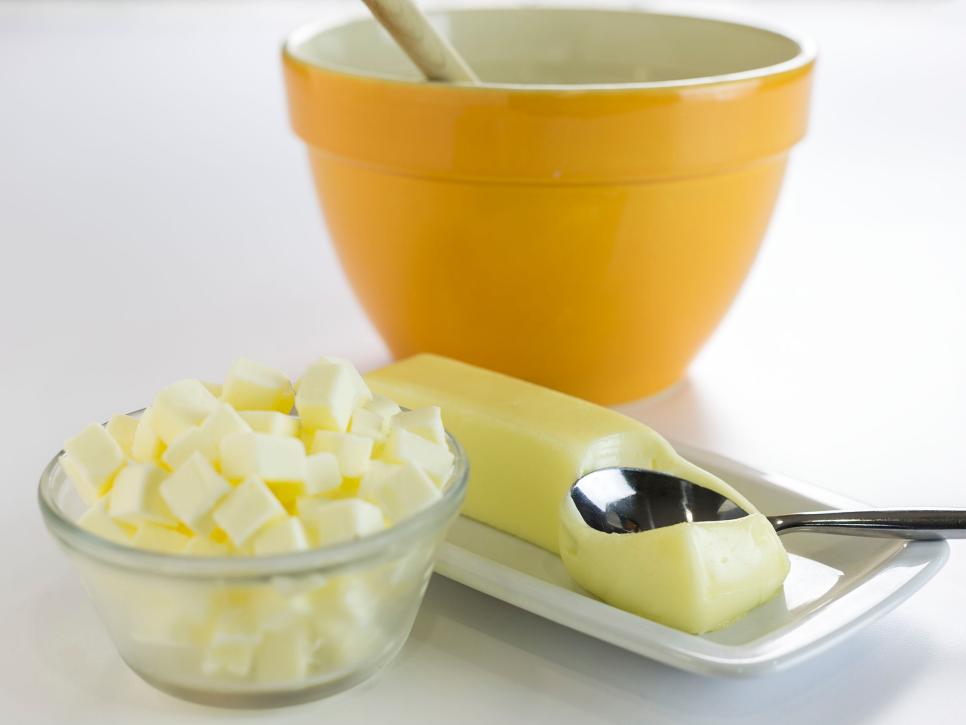
For a creaming method, butter should be soft enough to beat but not oily or partly melted. Beating butter and sugar incorporates air as well as blending them. Follow the recipe’s time and texture cues rather than assuming 2–3 minutes always suffices. Some cookies call for melted butter or a different mixing method; cold butter is not a universal rule for shortbread.
Should I line the baking sheet?
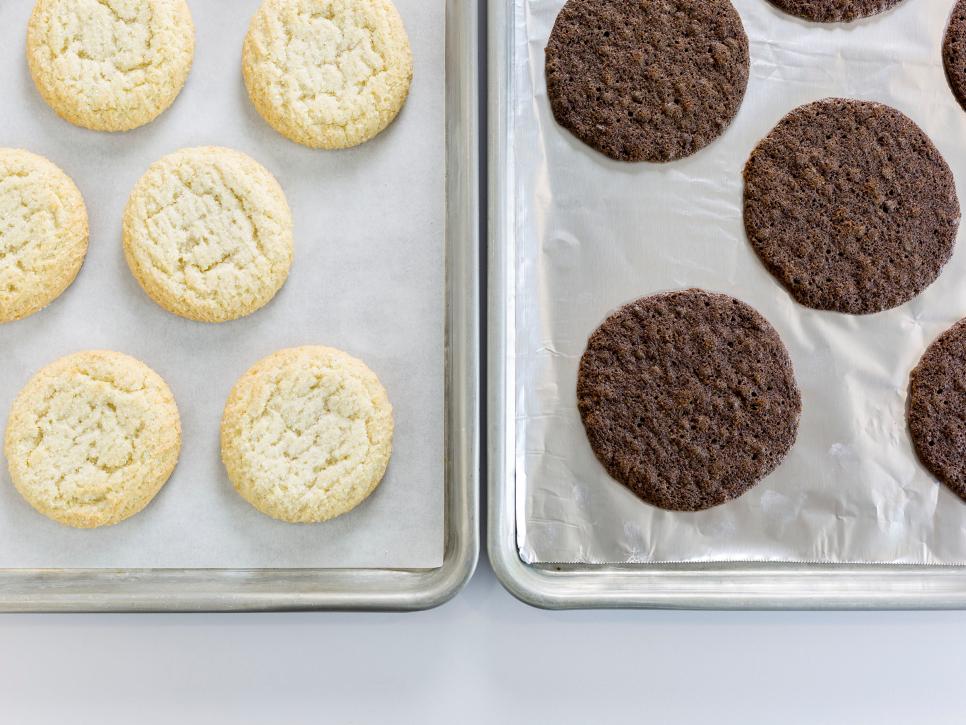
Use the liner specified by the recipe. Parchment is a useful default within its temperature rating. Standard aluminum foil works with either side facing up; shiny versus dull is not a browning control. Nonstick foil has a designated food-contact side. Foil, parchment, silicone mats, and bare pans can produce different spreading and browning, so test a small batch before switching.
How should I cool the cookies?
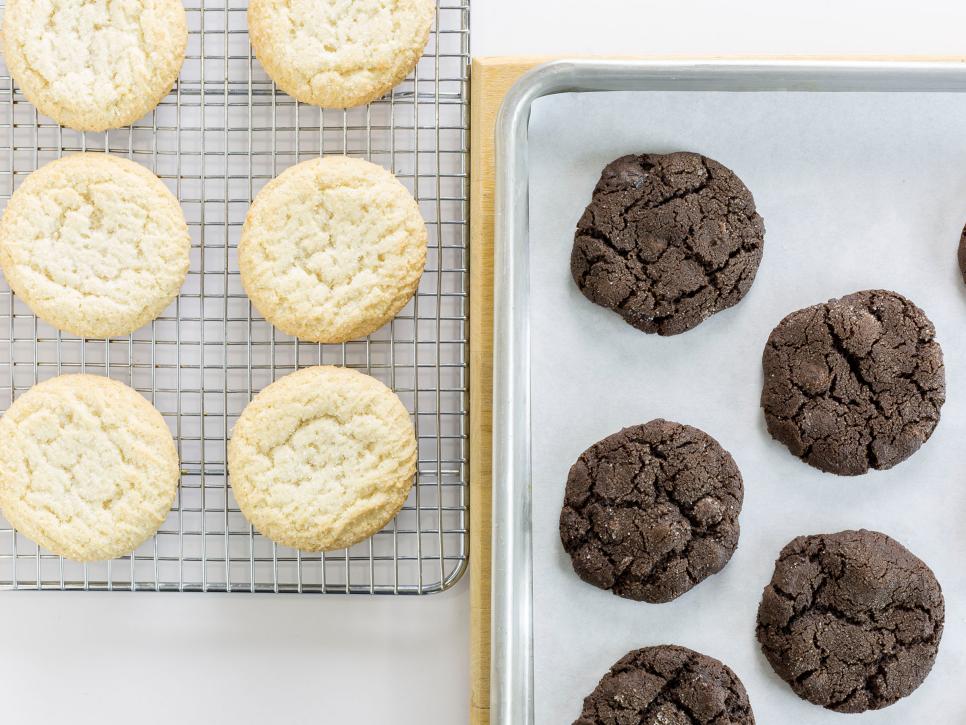
Let cookies firm enough on the sheet to move without breaking, then follow the recipe’s cooling directions. A hot sheet continues cooking the bottoms. Delicate cookies may need several minutes; some shortbreads cool on the pan. There is no one correct cooling time for all cookies.
Can I fit a baker’s dozen on one sheet?
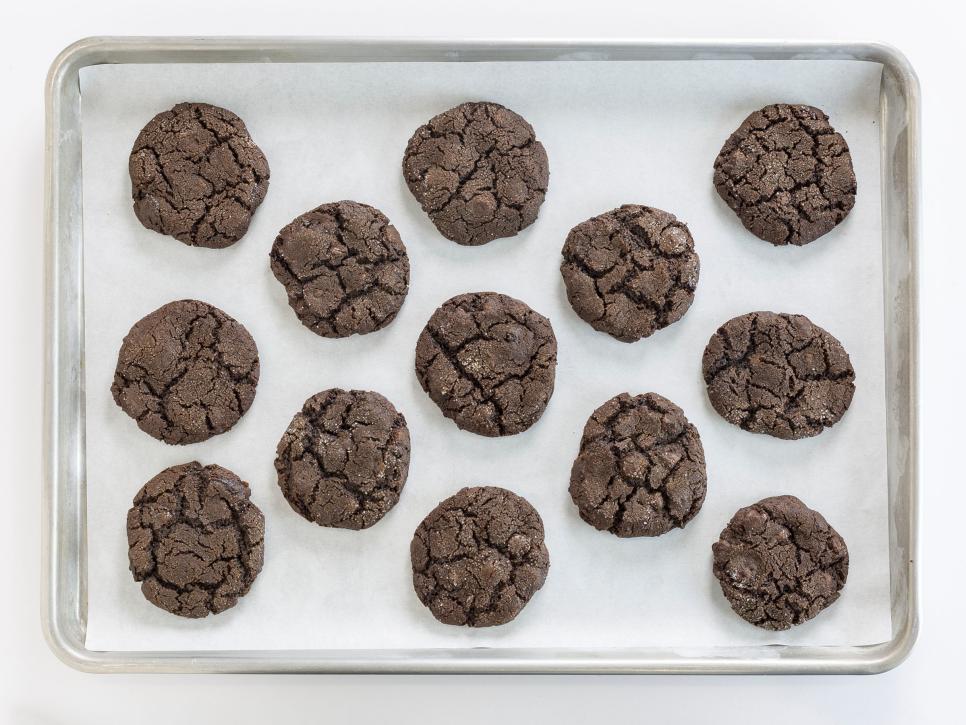
A baker’s dozen means 13, but the number that fits safely depends on sheet size, dough portion, and spread. Staggering rows can use space efficiently. Leave the recipe’s recommended gap and use another sheet rather than crowding.
Do I need a cookie scoop?
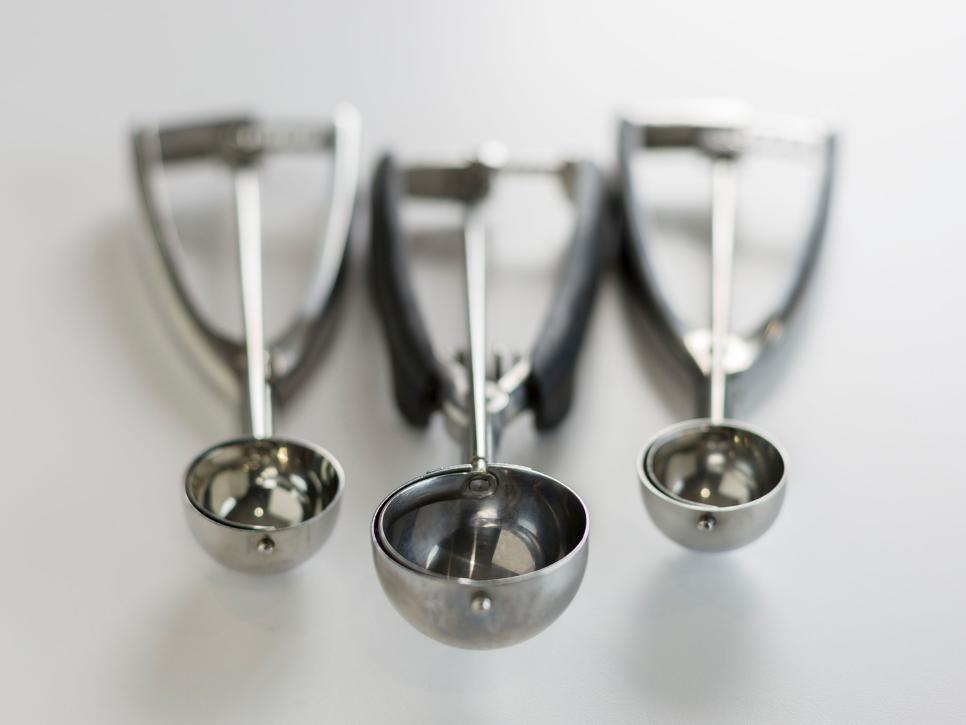
A scoop makes similar-size portions faster; a spoon and scale work too. Match the recipe’s portion size. Equal portions bake more evenly, but a scoop is a convenience, not a requirement.
What is the best way to measure flour?
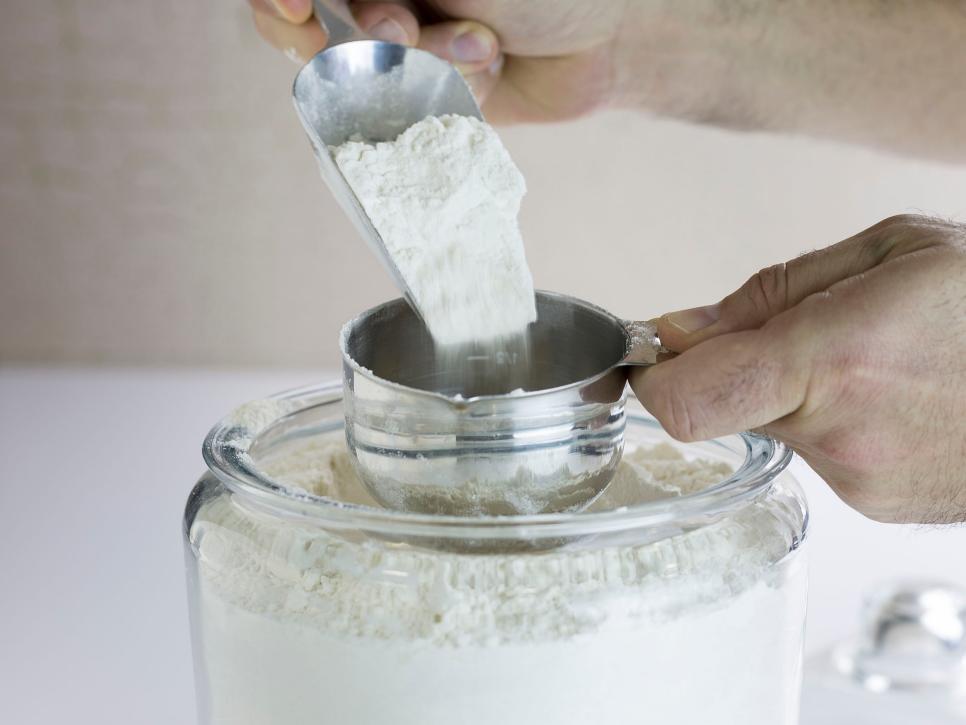
Use the recipe’s gram weight when supplied. If measuring by volume, follow its stated method; commonly, gently spoon flour into a dry measuring cup and level it without packing. Scooping a cup through compacted flour can add more flour than intended.
Can I mix cookies without a mixer?
Many doughs can be mixed by hand. A sturdy spoon or spatula works for stir-together doughs; creaming stiff butter requires more effort. Once flour is added, mix only as much as the recipe requires. Do not assume every dough uses the same technique.
Do I really need to chill the dough?
Chilling can firm the fat, hydrate dry ingredients, and develop flavor. Its effect on spread depends on the formula. Follow the required chill time; dough that is too cold may need a brief rest before scooping or rolling. Keep raw dough containing eggs or dairy refrigerated, and do not taste raw flour or dough.

How can I bake more cookies efficiently?
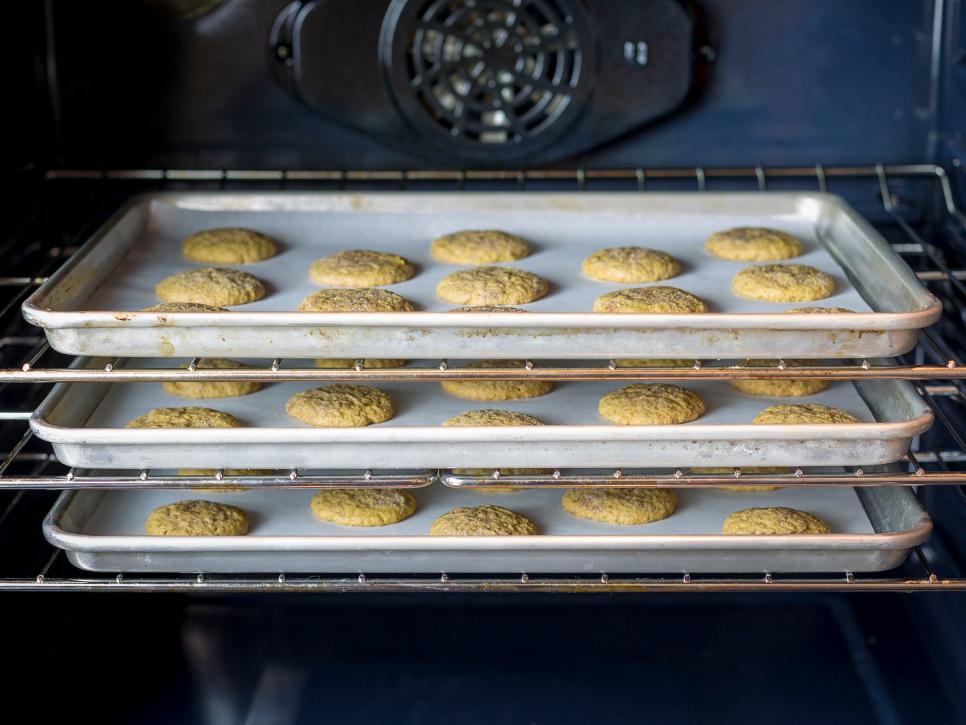
Bake similar-size cookies on cool sheets and keep waiting dough chilled when the recipe requires it. One sheet at a time is often most even. For multiple sheets, use the oven and recipe guidance, rotate only when needed, and check each sheet separately. Do not automatically add a fixed number of minutes or assume three trays will bake evenly.


Leave a Reply