
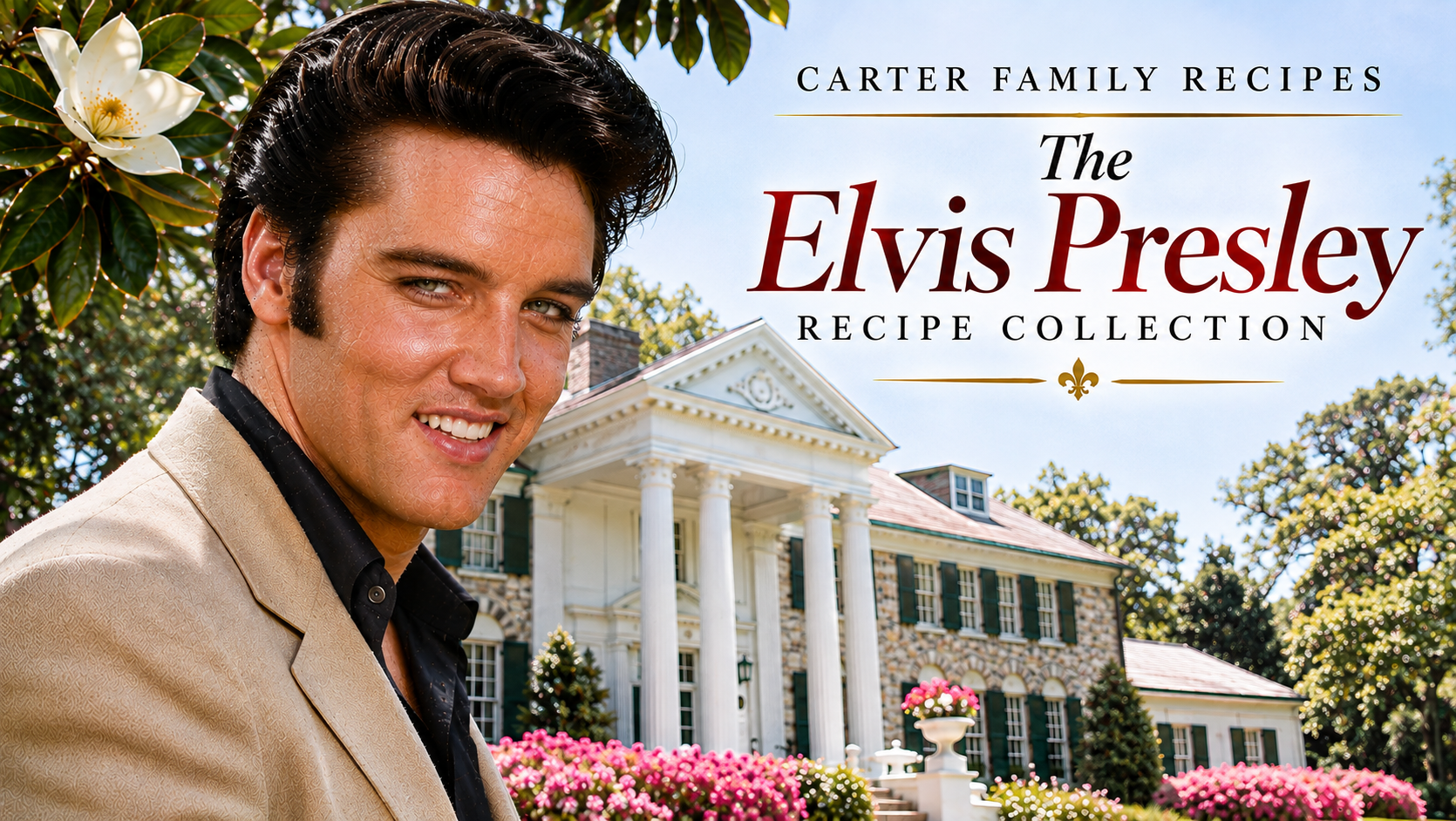
There is no place quite like Graceland in the story of Elvis Presley. Behind the music, the movies, and the public image was a man whose tastes were rooted in the familiar comforts of Southern cooking and the people who prepared meals for him at home.
Food offers a personal way into that story. The dishes associated with Elvis range from the much-loved peanut butter and banana sandwich to the hearty meals remembered by longtime Graceland cook Mary Jenkins Langston, along with Memphis restaurant favorites and recipes shared by family friends.
This collection brings together twelve Carter Family Recipes interpretations inspired by those food memories. Where a dish is connected with a particular recollection, restaurant, or friend, that context is identified in the individual recipe. These are independently written adaptations for today’s home kitchen, not claims that Elvis invented every dish or that each recipe is a verbatim transcription of a historical one.
The Graceland Table
The meals remembered from Graceland were rooted in the generous traditions of Southern home cooking. From a familiar breakfast to comforting suppers and a beloved homemade dessert, these dishes offer a taste of the everyday world surrounding Elvis.
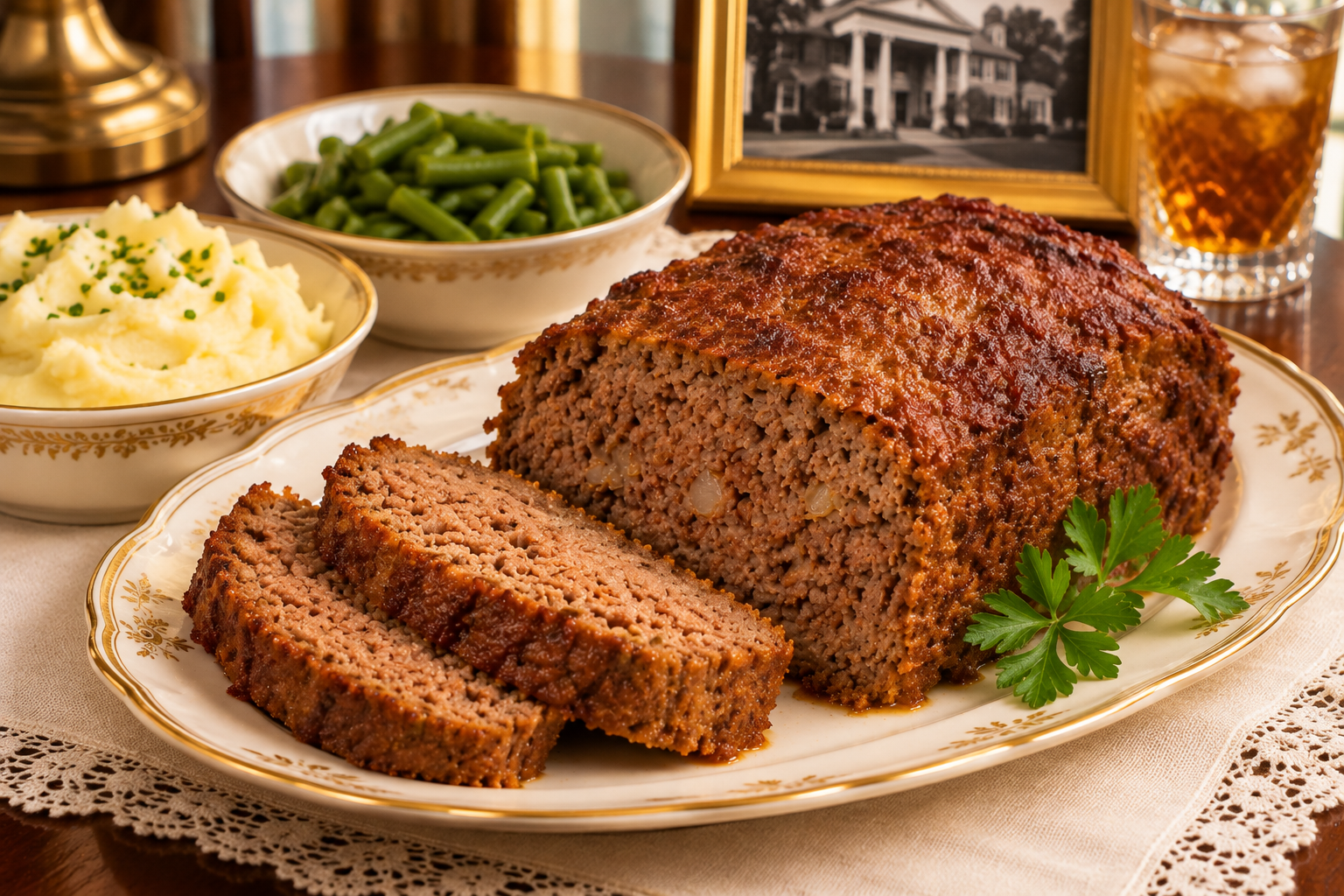
Elvis Presley’s Sunday Meatloaf — A Sunday supper favorite with the distinctive wheat germ and tomato juice associated with the Presley family version.
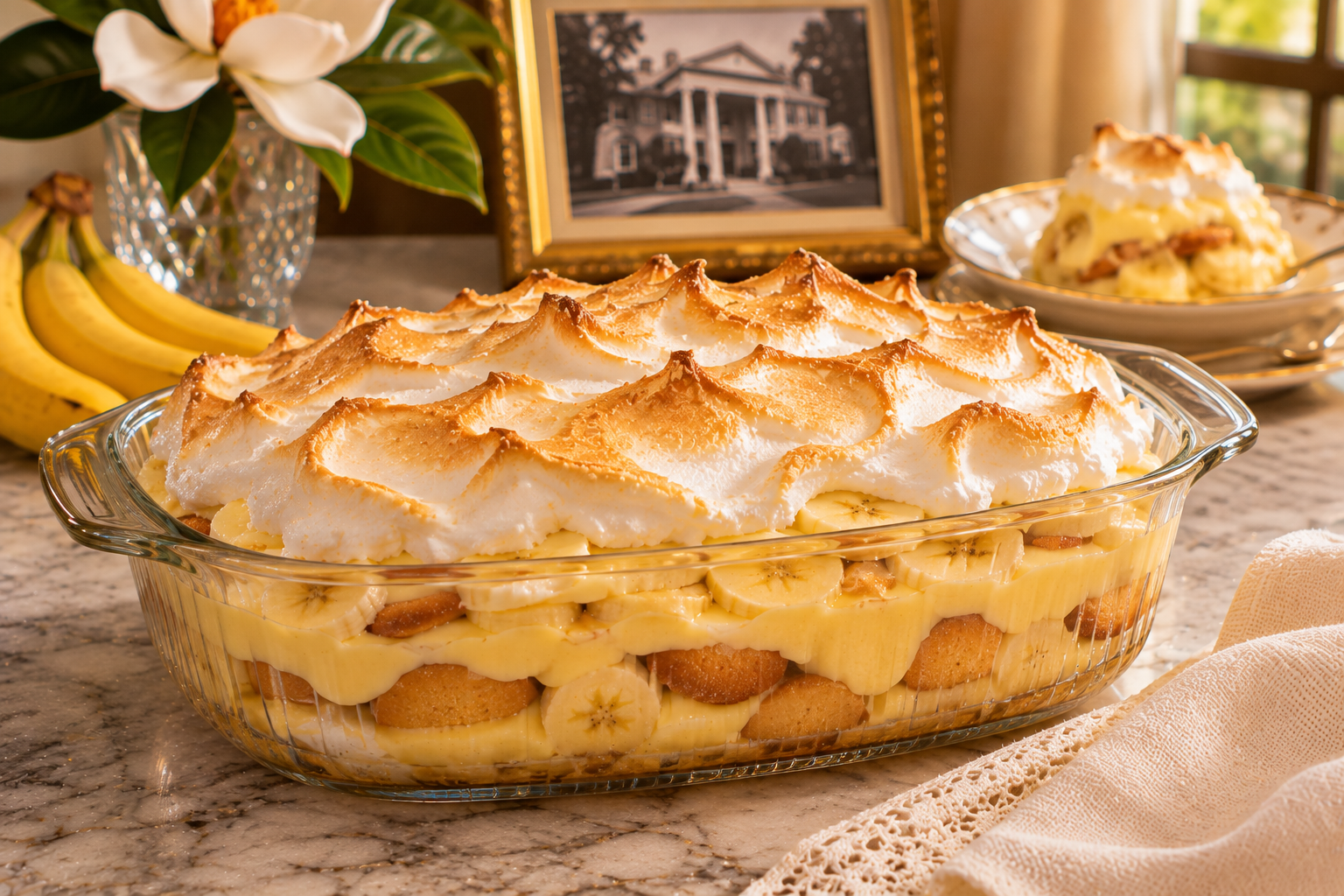
Elvis Presley’s Graceland Banana Pudding — A classic Southern dessert of bananas, vanilla wafers, homemade custard, and golden meringue.
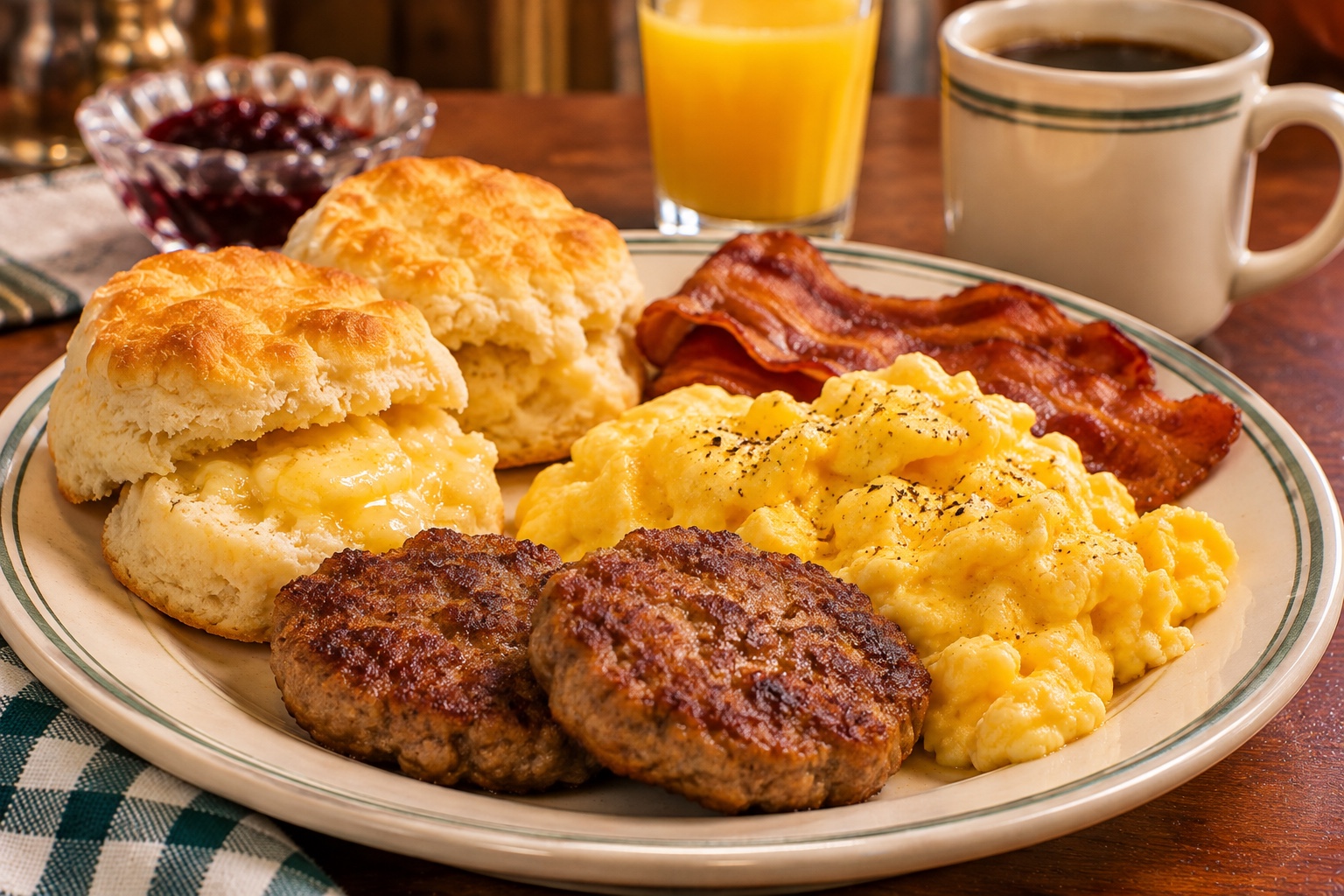
Elvis Presley’s Graceland Breakfast Platter — A hearty late-hour breakfast inspired by Mary Jenkins Langston’s recollections of cooking at Graceland.
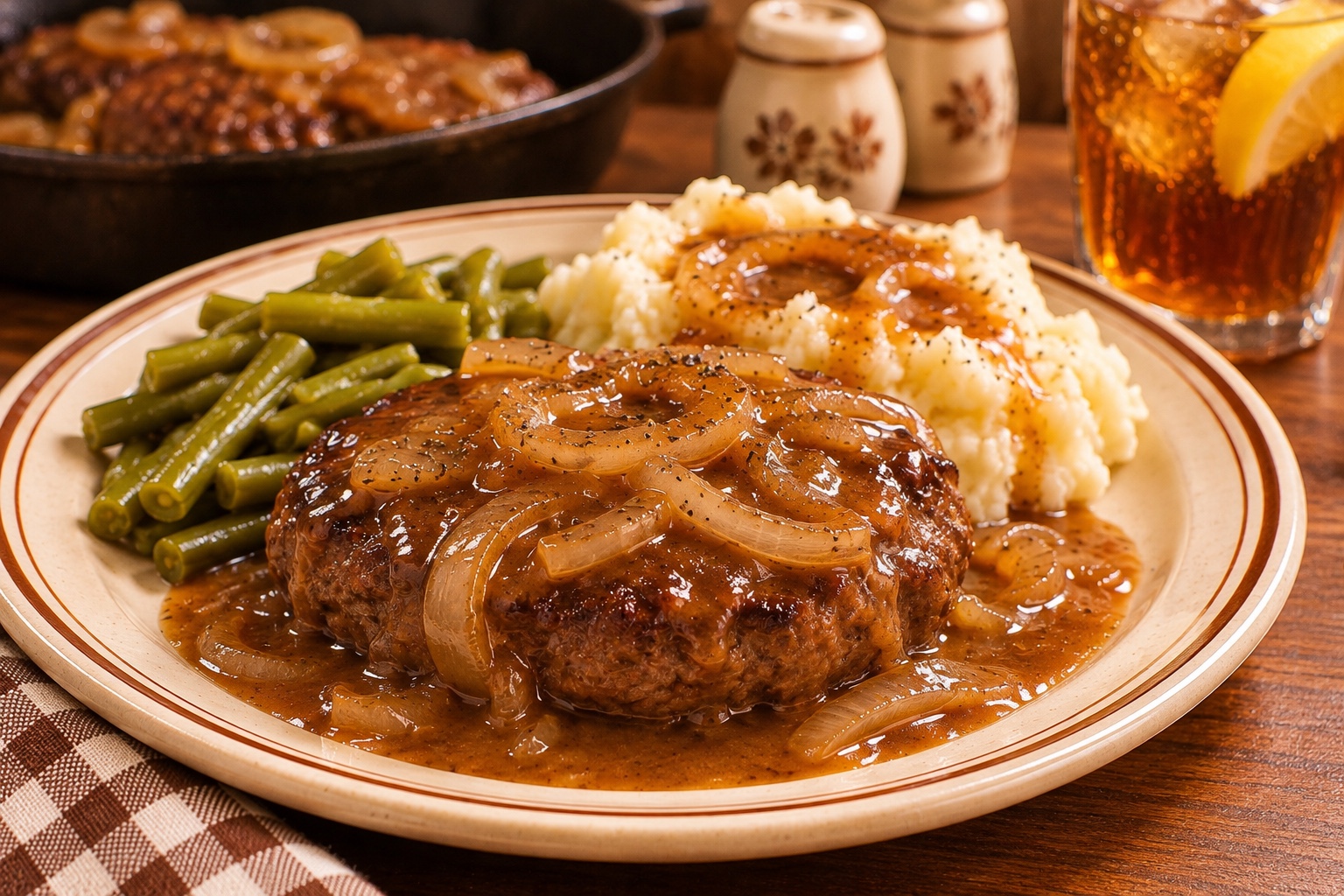
Elvis Presley’s Graceland Hamburger Steak — A comforting Southern supper of browned hamburger steak and onion gravy.
Sandwiches, Diners & Memphis Favorites
Some of the best-known Elvis food stories reach beyond the Graceland kitchen. A legendary sandwich, familiar diner fare, and a Memphis restaurant specialty each have a place in the culinary landscape associated with the King.
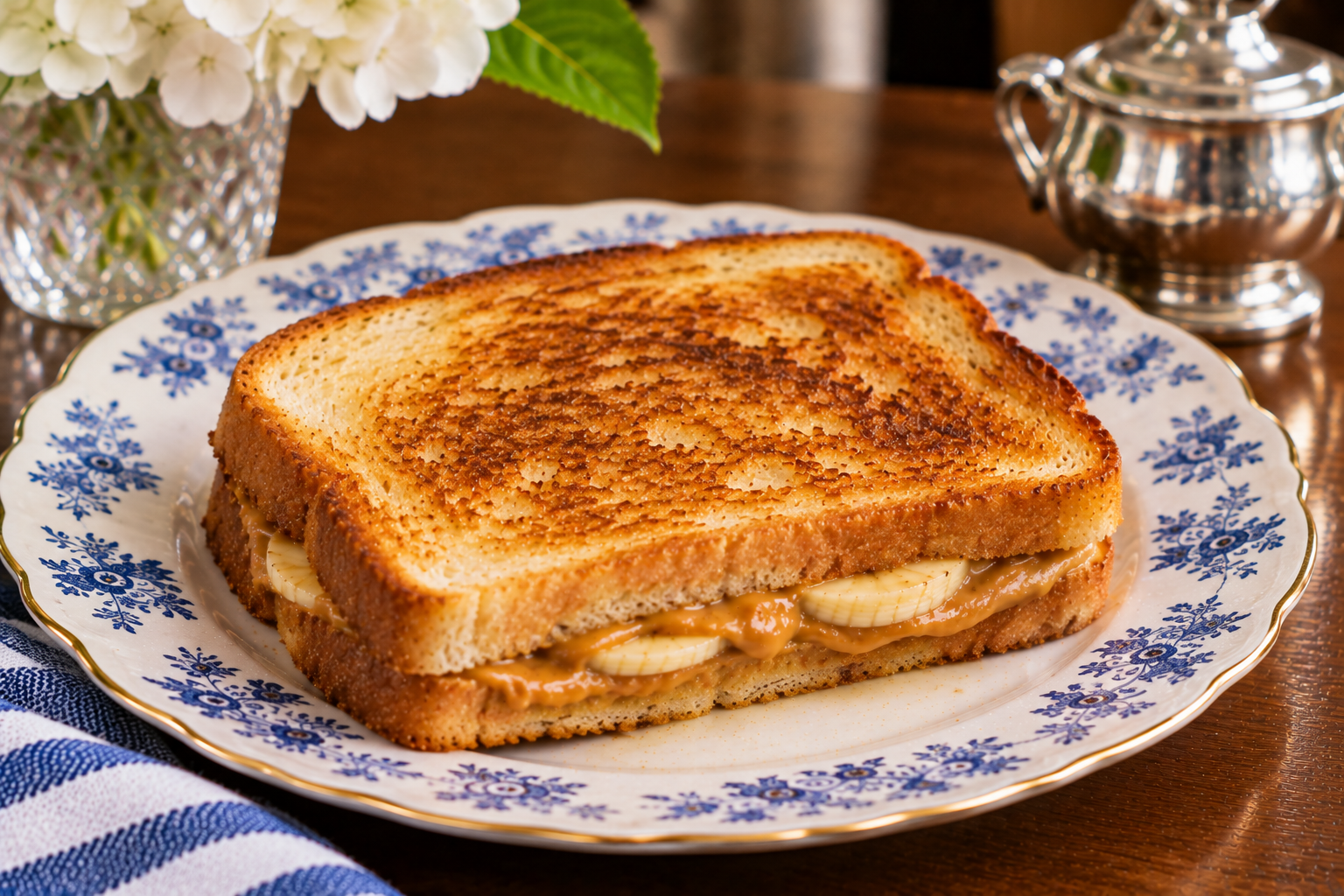
Elvis Presley’s Fried Peanut Butter and Banana Sandwich — The buttery, skillet-toasted combination that became one of Elvis’s most enduring food associations.
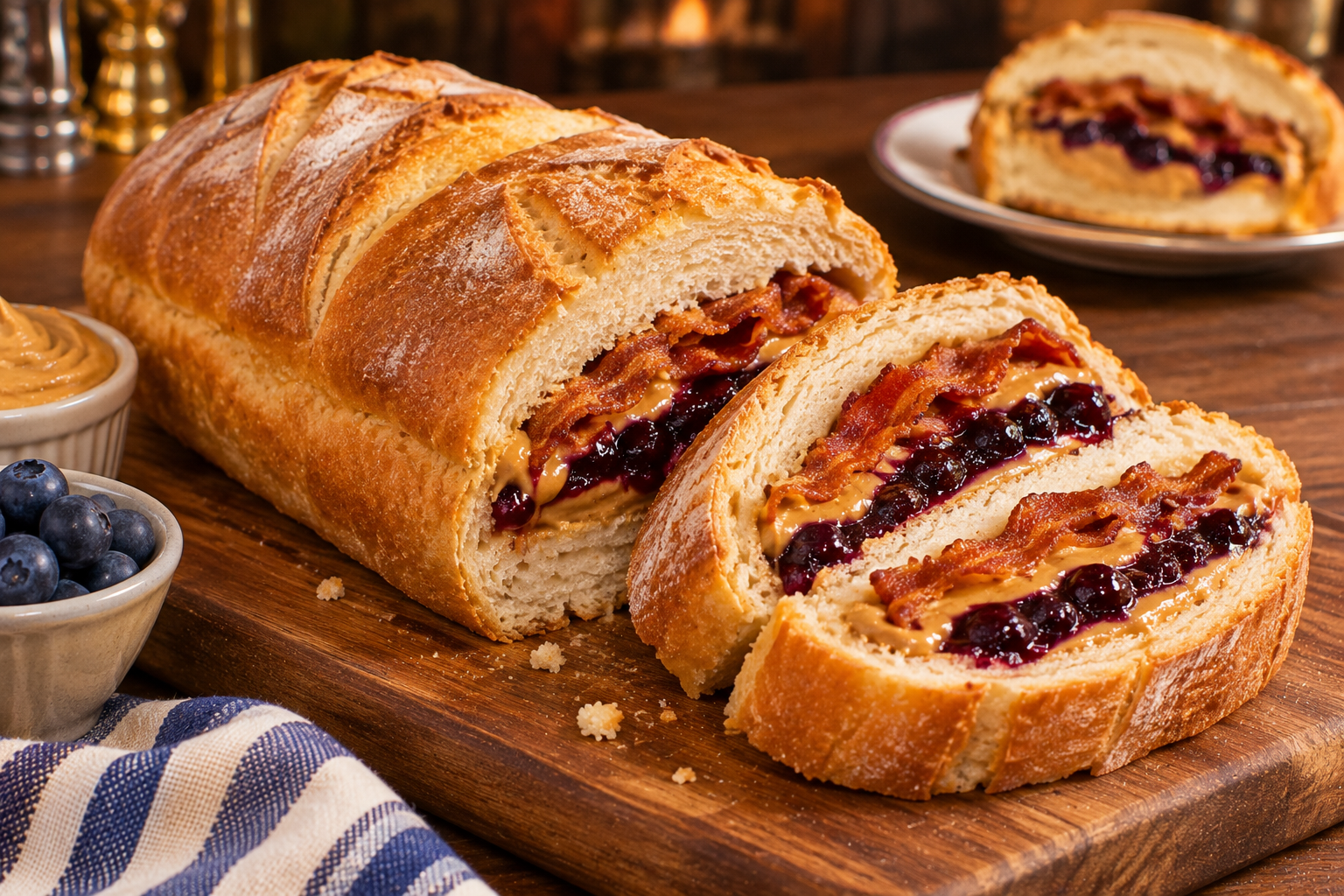
Elvis Presley’s Fool’s Gold Loaf — The enormous Colorado Mine Company sandwich remembered for its peanut butter, blueberry preserves, and bacon.
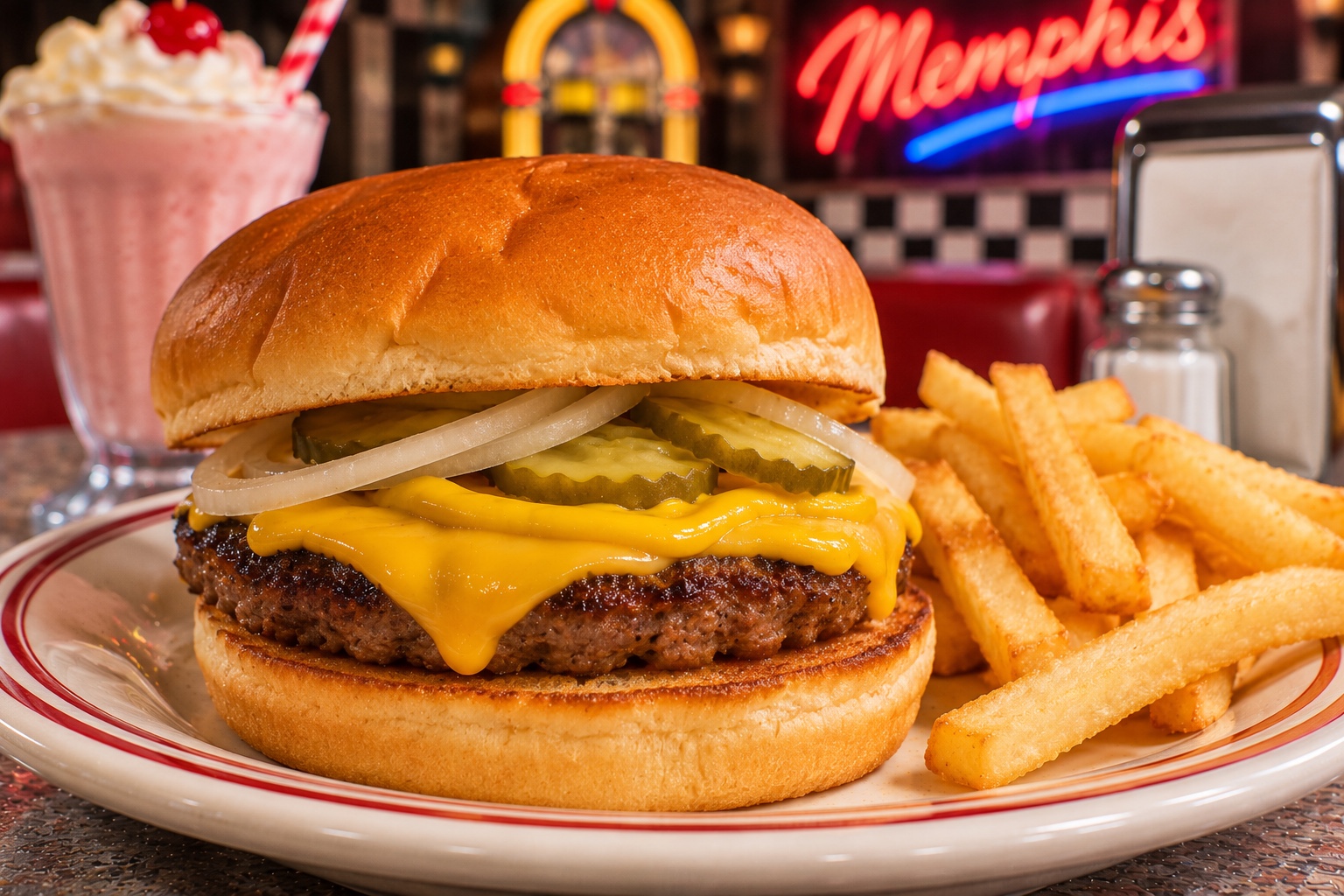
Elvis Presley’s Memphis Cheeseburger — A classic Memphis diner cheeseburger with the familiar toppings Elvis enjoyed.

Elvis Presley’s Memphis Barbecue Pizza — Inspired by Coletta’s — A home-kitchen interpretation of the pulled-pork barbecue pizza associated with Memphis institution Coletta’s.
Southern Favorites & Celebrations
These final recipes bring together the Southern foods remembered by people close to Elvis and a special holiday tradition shared by a longtime friend.

Elvis Presley’s Boneless Southern Fried Chicken — A crisp Southern-style version inspired by Mary Jenkins Langston’s recollection that Elvis preferred chicken without bones.

Elvis Presley’s Sauerkraut Hot Dogs — The unusual hot-dog request remembered by Mary Jenkins Langston, with sauerkraut simmered together with the hot dogs.
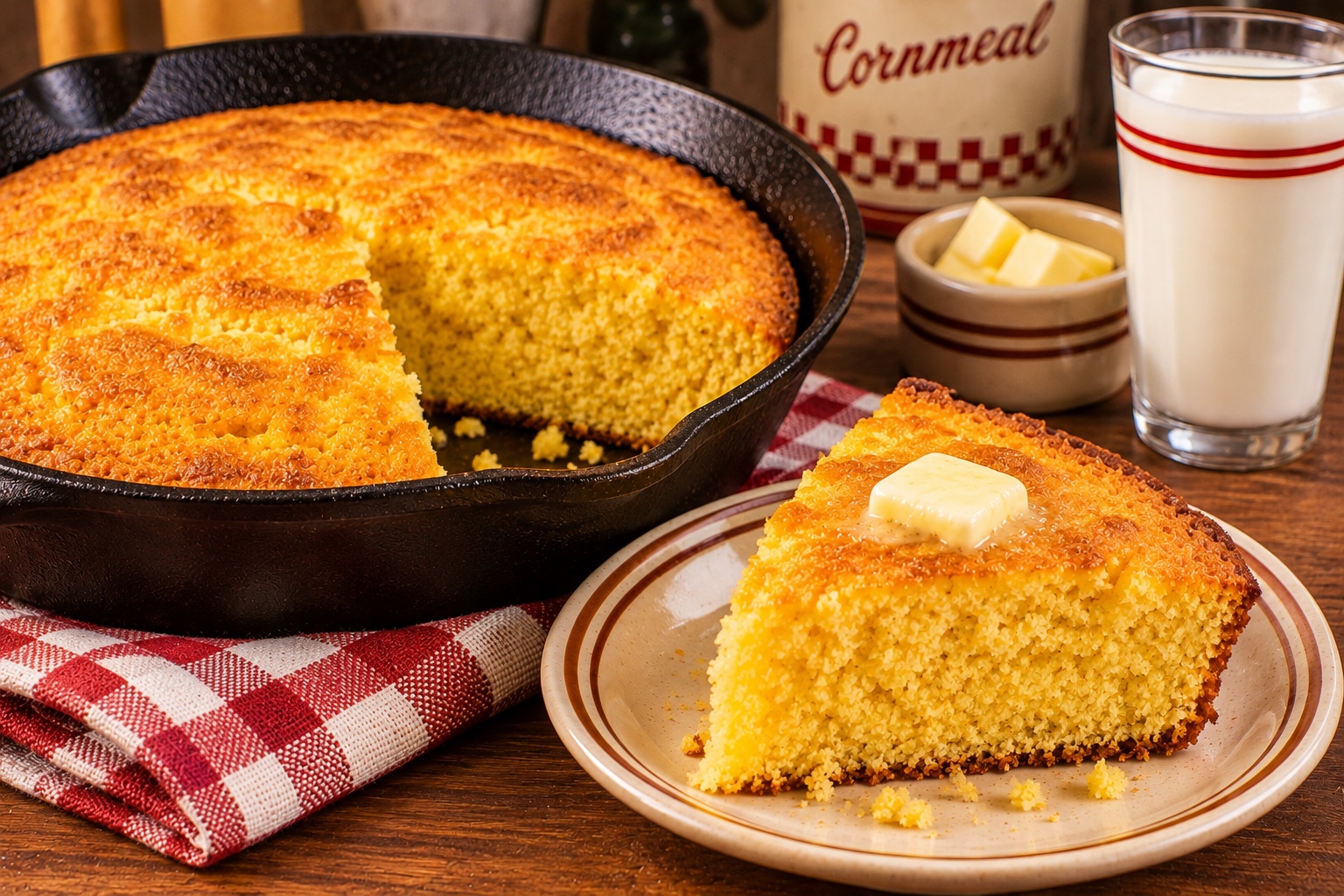
Elvis Presley’s Favorite Cornbread — Mary Jenkins Langston’s Recipe — Mary Jenkins Langston’s skillet cornbread, with a crisp golden crust and tender center.
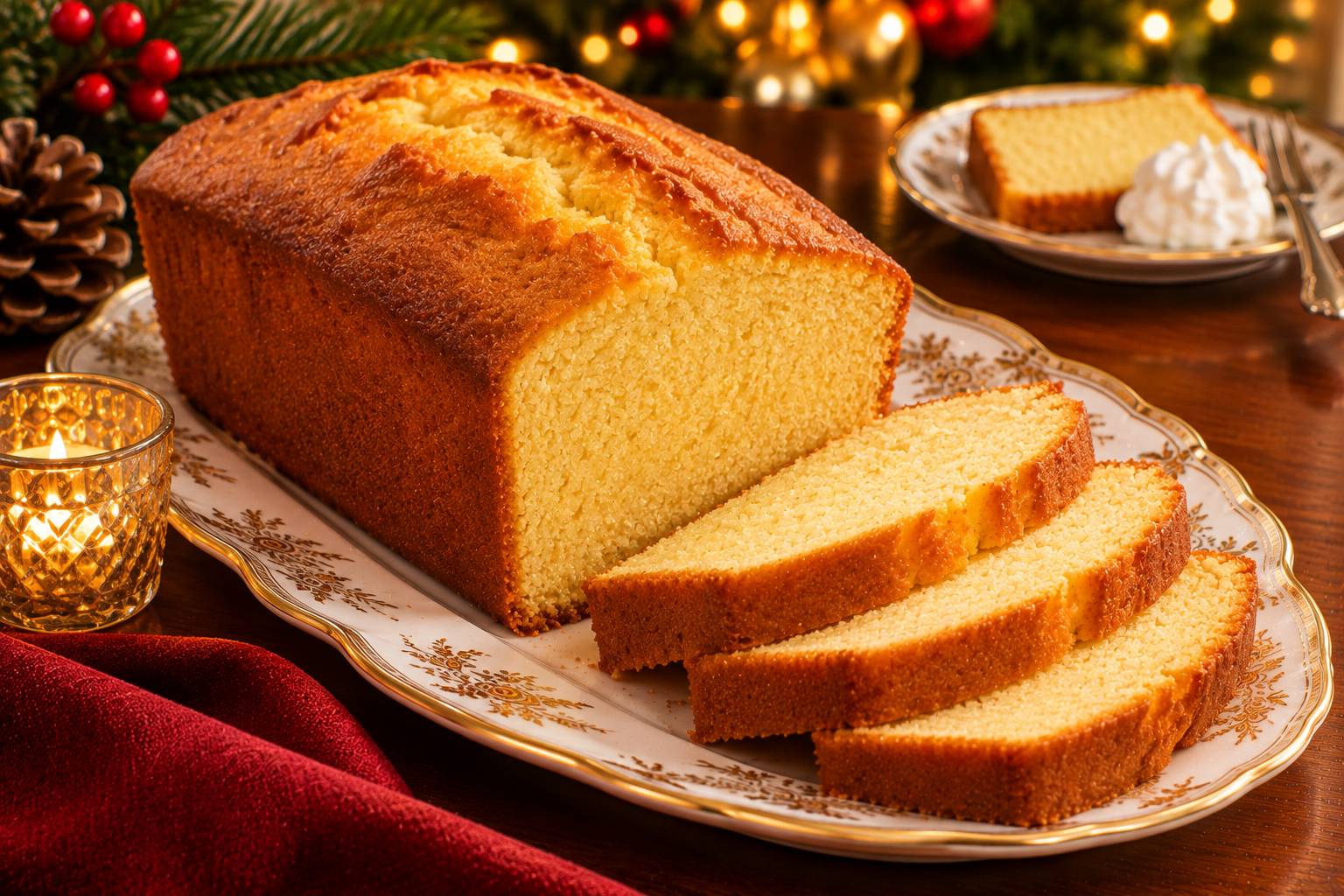
Elvis Presley’s Christmas Pound Cake — Janelle McComb’s Recipe — Janelle McComb’s treasured Christmas pound cake and the holiday tradition that connected her with the Presley family.
The Man Behind the Music
Elvis’s public life was extraordinary, but the food stories connected with him are often wonderfully ordinary: a favorite sandwich, a home-cooked supper, a late-night breakfast, or a recipe remembered by someone who knew him personally. Together, they offer a more intimate glimpse of the man behind the legend.
About This Collection
The recipes bring together food memories and historical associations from several parts of Elvis’s life. Where a dish is connected to a specific recollection, restaurant, or family friend, that context is identified in the individual recipe. Ingredient quantities and cooking methods are presented as Carter Family Recipes adaptations for today’s home kitchen, not as verbatim transcriptions unless explicitly stated.

